
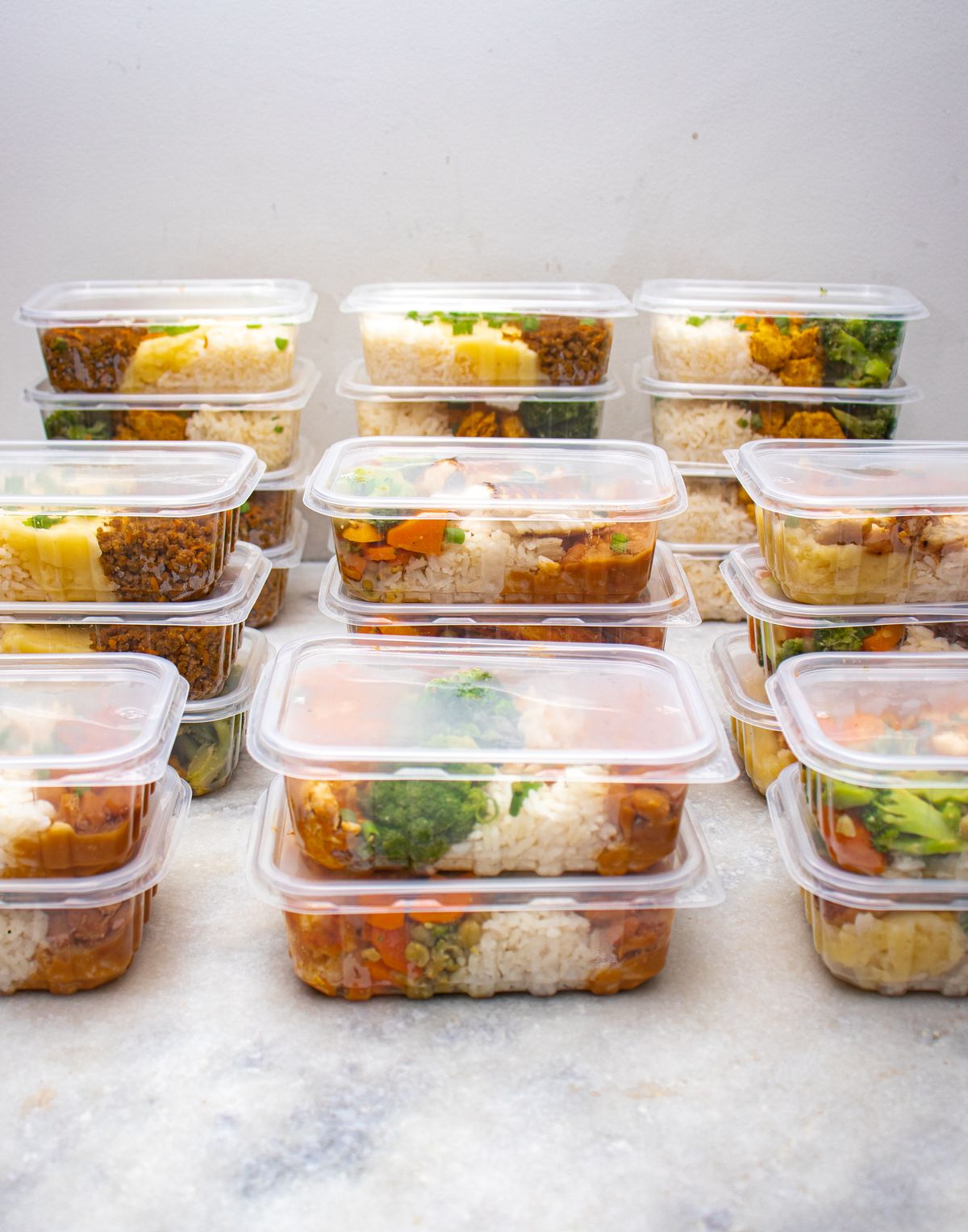
The average household throws away a meaningful chunk of the groceries it buys — not because of bad intentions, but because of no plan. Food gets bought on impulse, forgotten in the back of the fridge, and replaced by a last-minute takeout order because nothing at home felt like "a meal." Meal planning fixes both problems at once: it cuts waste and it removes the daily decision fatigue of figuring out dinner from scratch every single night.
Done well, meal planning isn't about restrictive diets or spending hours meal-prepping on a Sunday. It's a weekly system — and once it's running, it takes less time than the decision-making it replaces.
Why meal planning saves money (not just time)
Grocery spending creeps up in a few predictable ways: buying ingredients for a recipe you never end up making, duplicate purchases because you didn't check what you already had, and impulse takeout because nothing planned was ready to cook. A plan attacks all three directly — you buy exactly what you'll use, you shop from a list instead of aisles, and dinner is already decided before hunger makes the decision for you.
The savings tend to compound. The first week or two mostly saves on food waste. By week three or four, once you've built a rotation of go-to meals, it starts saving real time too — because you're not reinventing the plan from zero every Sunday.
Step 1: Audit what you already have
Before planning anything new, look at what's already in the fridge, freezer, and pantry. This does two things: it prevents buying duplicates, and it often reveals two or three meals hiding in ingredients you'd otherwise forget about. This step alone is where a lot of the waste-reduction savings come from.
Step 2: Build a rotation, not a new plan every week
Planning seven brand-new meals every single week is where most people burn out and quit. A more sustainable approach is building a rotating list of 10–15 meals you actually enjoy and know how to cook, then pulling from that list each week with slight variation. New recipes can be tested occasionally, but the backbone of the week doesn't need reinventing.
Step 3: Plan around what's already on sale or in season
Before deciding meals, a quick glance at what's discounted or in season that week can shift the plan meaningfully. Building the menu around what's already cheap — rather than committing to specific meals first and paying whatever the ingredients cost — is one of the highest-leverage budget habits in this whole process.
Step 4: Write the plan down before you shop, not after
The plan needs to exist somewhere visible before the grocery trip, not be improvised in the store. A simple weekly grid — one line per day, breakfast/lunch/dinner if needed — turns "what do we have to eat this week" from a daily stressor into a five-minute Sunday task. This is the exact structure behind a Meal Planner: a weekly meal grid paired with a grocery list, so the plan and the shopping list live on the same page instead of scattered across notes apps and memory.
Step 5: Build the grocery list from the plan, not the other way around
Shopping without a list is one of the biggest budget leaks there is — it's how impulse items and duplicate purchases happen. Once the week's meals are decided, build the grocery list directly from what those meals require, organized by store section if possible, and stick to it. Anything not on the list gets a second thought before it goes in the cart.
Step 6: Batch a few components, not every single meal
Full-day meal prep isn't required to see the benefit. Batching two or three high-effort components — a grain, a protein, a sauce — and reusing them across two or three different meals in the week is enough to cut daily cooking time significantly, without the burnout of prepping every single meal in advance.
Step 7: Leave one flexible night
A meal plan with zero flexibility tends to break the first time something unexpected comes up. Leaving one night unplanned (a "clean out the fridge" night, or a backup easy meal) means an off-schedule day doesn't derail the whole week's plan or trigger an impulse takeout order.
A simple weekly structure that works
Put together, a sustainable meal planning week looks like this:
- Quick pantry/fridge/freezer audit
- Check what's on sale or in season
- Pull 5–6 meals from your rotation list (plus one new one occasionally)
- Write the week's plan on a single page
- Build the grocery list directly from the plan
- Batch 2–3 reusable components
- Leave one night unplanned
None of this requires a complicated app or a strict diet philosophy — it requires a consistent, visible place to plan the week before you're standing in the grocery aisle deciding on the fly.
If budgeting is the bigger goal
Meal planning is one of the fastest ways to reduce a household budget without feeling like you're cutting back on anything — you're just buying with intention instead of by impulse. If groceries are one piece of a broader budgeting effort, pairing a meal plan with a full Budget Planner makes it easier to see exactly how much the plan is saving month over month, rather than guessing.
Ready to start? The Meal Planner gives you a printable weekly meal grid and grocery list in one place — no app, no subscription, just a page you fill in once a week. And if mealtimes are one piece of a bigger routine you're trying to build, the Daily Planner can help tie meal prep into the rest of your day.